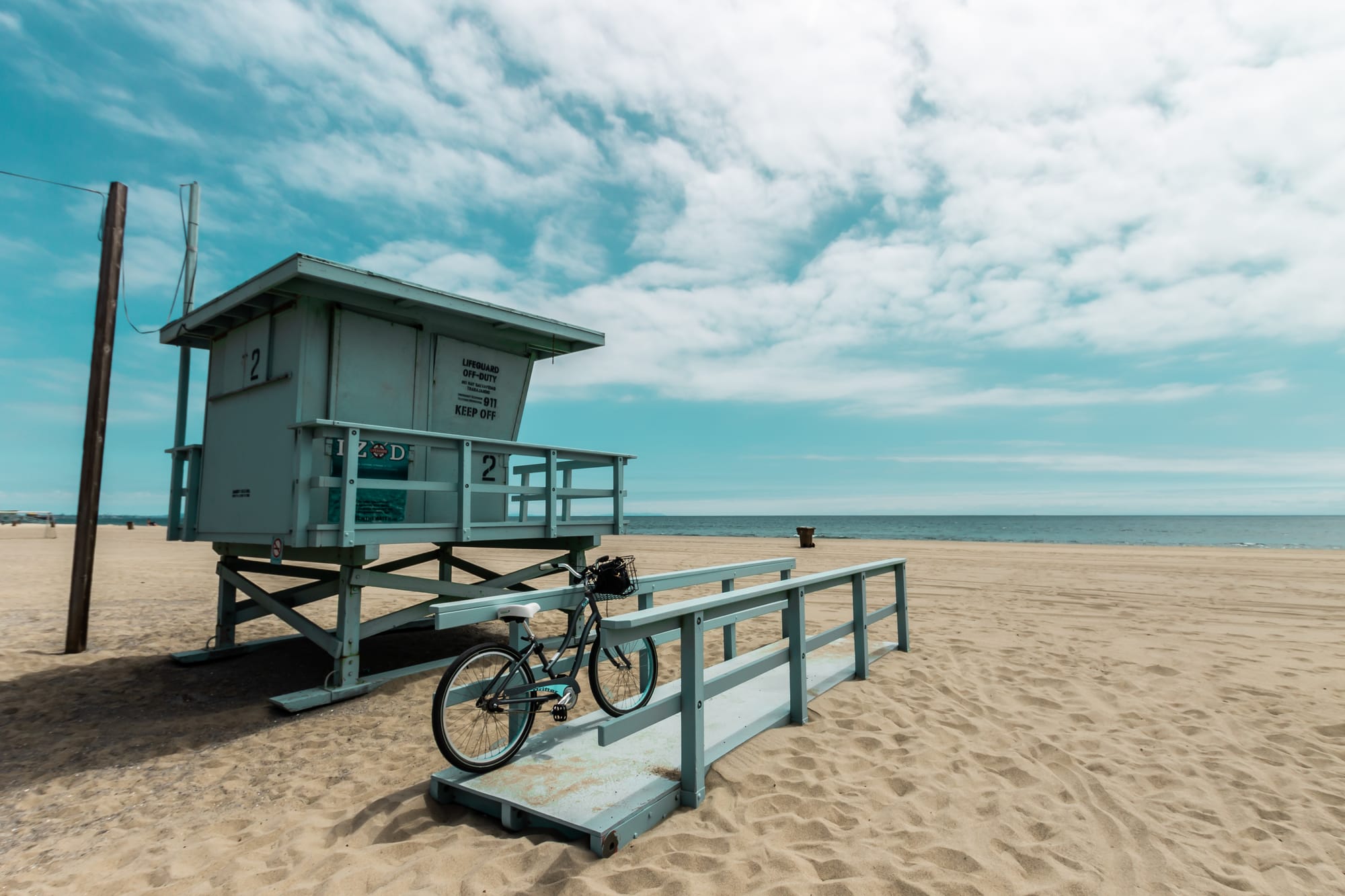
Living in a coastal town offers many advantages — beautiful ocean views, fresh sea air, and a relaxed lifestyle. However, coastal environments also create unique challenges for electrical installations. The combination of salty air, moisture, wind, humidity, and sand can significantly reduce the lifespan of electrical systems if they are not properly maintained. Properties in coastal areas such as St Helena Bay, Langebaan, Saldanha, Yzerfontein, Velddrif, Paternoster, and other seaside towns are especially vulnerable to corrosion and electrical deterioration. This is even more relevant for holiday homes and investment properties that remain unoccupied for long periods. Proper maintenance of your electrical installation is therefore not only important for reliability and convenience, but also for safety, insurance compliance, and long-term cost savings.
Why Coastal Conditions Affect Electrical Installations
Salt carried by ocean air settles on electrical components and gradually causes corrosion. Moisture and humidity accelerate this process and can lead to:
- Rust and corrosion on electrical components
- Loose or burnt electrical connections
- Tripping problems
- Reduced insulation resistance
- Damage to distribution boards (DB boards)
- Failure of plugs, switches, geysers, and appliances
- Increased fire risk
- Shortened lifespan of electrical equipment
Even homes situated several kilometres from the ocean may still experience the effects of coastal corrosion.
Regular Electrical Inspections are Essential
One of the most important aspects of maintaining an electrical installation in a coastal town is arranging regular inspections by a qualified electrician. A professional inspection can identify problems before they become dangerous or expensive. This may include:
- Checking for corrosion in the DB board
- Tightening electrical connections
- Testing earth leakage protection
- Inspecting wiring insulation
- Checking plugs and switches
- Inspecting geyser and stove circuits
- Identifying overloaded circuits
- Testing voltage levels and continuity
For coastal properties, annual inspections are highly recommended, especially for homes exposed directly to sea air.
Maintain Your Distribution Board (DB Board)
The DB board is the heart of the electrical system and requires particular attention in coastal environments. Corrosion inside a DB board can lead to:
- Overheating
- Loose connections
- Tripping
- Damage to breakers
- Electrical fires
Important maintenance measures include:
- Keeping the DB board dry and sealed
- Ensuring no moisture enters the enclosure
- Regular tightening of terminals
- Replacing rusted breakers or components
- Cleaning dust and corrosion buildup
- Ensuring labels remain visible
If the DB board shows significant rust or deterioration, upgrading the board may be necessary.
Test Earth Leakage Protection Regularly
Earth leakage protection is one of the most important safety devices in any property. It protects occupants against electric shock and helps reduce fire risks. In coastal areas, moisture can affect earth leakage units and cause nuisance tripping or failure. Homeowners should:
- Test the earth leakage monthly using the test button
- Ensure the unit trips correctly
- Arrange replacement if the device becomes unreliable
If the earth leakage does not trip properly, immediate professional inspection is required.
Protect Outdoor Electrical Equipment
Outdoor electrical installations are particularly vulnerable in coastal towns due to direct exposure to wind, moisture, and salt. This includes:
- Outdoor plugs
- Garden lighting
- Pool equipment
- Gate motors
- Borehole pumps
- Air conditioning units
- Exterior floodlights
Maintenance recommendations include:
- Using weatherproof fittings
- Installing proper covers and seals
- Replacing cracked fittings
- Inspecting cable glands and conduits
- Keeping fittings free from rust and corrosion
Outdoor equipment should always be installed using appropriate IP-rated materials designed for exterior use.
Prevent Moisture Build-Up Inside the Property
Moisture inside a home can affect electrical systems over time. Coastal homes often remain closed for long periods, which increases humidity levels and encourages corrosion. To reduce moisture:
- Open windows periodically for ventilation
- Use dehumidifiers where necessary
- Ensure roof leaks are repaired quickly
- Maintain proper airflow throughout the home
- Inspect ceilings and walls for dampness
Reducing indoor moisture helps preserve not only electrical installations, but also appliances, furniture, and building materials.
Check Plugs and Switches for Corrosion
Salt air gradually affects plug points and light switches, especially near windows and exterior walls. Warning signs include:
- Discolouration
- Rust marks
- Crackling sounds
- Heat buildup
- Loose fittings
- Flickering lights
Damaged plugs and switches should be replaced promptly to prevent further deterioration and safety hazards.
Maintain Geysers and Water Heating Systems
Geysers are common sources of electrical problems in coastal areas due to moisture and corrosion. Important maintenance includes:
- Inspecting geyser isolators
- Checking thermostat connections
- Inspecting element terminals
- Ensuring proper earthing
- Replacing corroded components
Regular geyser inspections can prevent unexpected failures and expensive damage.
Generator, Inverter and Solar System Maintenance
Many coastal homeowners install backup power systems due to load shedding and power interruptions. These systems also require maintenance, including:
- Cleaning battery terminals
- Inspecting inverter connections
- Ensuring adequate ventilation
- Checking changeover switches
- Inspecting solar isolators
- Testing system performance
Salt corrosion can damage inverter terminals, battery connections, and solar components if left unchecked.
Keep Electrical Loads Balanced
As homes evolve, additional appliances are often added without considering the electrical load on the system. Common additions include:
- Air conditioners
- Pumps
- Inverters
- Solar systems
- Pool equipment
- Extra geysers
Overloaded circuits may cause:
- Frequent tripping
- Cable overheating
- Damage to breakers
- Fire hazards
A qualified electrician can assess whether the installation remains suitable for the current demand.
Ensure Compliance with Safety Standards
Electrical installations in South Africa must comply with SANS 10142-1 regulations. Properties with outdated or poorly maintained systems may:
- Fail electrical inspections
- Create insurance complications
- Increase safety risks
- Delay property transfers
Maintaining compliance helps protect both property owners and occupants.
Holiday Homes Require Special Attention
Many coastal properties are holiday homes that remain vacant for weeks or months. Vacant properties are particularly vulnerable because:
- Moisture accumulates
- Corrosion progresses unnoticed
- Electrical faults may remain undetected
- Power trips may not be identified quickly
For holiday homes, it is advisable to:
- Arrange periodic inspections
- Monitor power supply status
- Check dehumidifiers regularly
- Test electrical systems periodically
- Inspect outdoor fittings and security systems
Routine maintenance visits can significantly reduce long-term damage.
Replace Outdated Installations
Older coastal homes often contain electrical systems that were never designed for modern electrical demands. Warning signs of outdated installations include:
- Ceramic fuses
- No earth leakage protection
- Overloaded extension leads
- Insufficient plug points
- Exposed wiring
- Frequent tripping
- Warm plugs or breakers
Upgrading older systems improves:
- Safety
- Reliability
- Energy efficiency
- Property value
- Insurance compliance
Protect Against Power Surges
Coastal towns may experience power fluctuations caused by storms, weather conditions, or grid instability. Surge protection devices help protect:
- TVs
- Wi-Fi systems
- Inverters
- Appliances
- Computers
- Security systems
Installing surge protection at the DB board is strongly recommended.
Use Qualified Electricians Only
Electrical work should always be performed by qualified and registered electricians. DIY electrical work in coastal properties often leads to:
- Unsafe connections
- Non-compliance
- Corrosion problems
- Fire risks
- Insurance complications
A qualified electrician understands:
- Coastal environmental conditions
- Compliance requirements
- Proper material selection
- Safety regulations
Professional workmanship remains one of the most important factors in ensuring a reliable and safe installation.
The Financial Benefit of Preventative Maintenance
Many homeowners only call an electrician once a serious fault develops. However, preventative maintenance is usually far more cost-effective. Regular inspections and maintenance can:
- Extend equipment lifespan
- Reduce major repair costs
- Prevent emergency callouts
- Improve safety
- Reduce downtime
- Protect expensive appliances
Small maintenance interventions today often prevent major failures tomorrow.
Conclusion
Coastal living creates unique electrical maintenance challenges due to salt air, moisture, humidity, and corrosion. Without proper care, electrical systems may deteriorate faster, creating safety risks and expensive repairs. Routine inspections, preventative maintenance, moisture control, and the use of qualified electricians are essential to maintaining a safe and reliable electrical installation in coastal towns. Whether the property is permanently occupied or used only as a holiday home, proactive electrical maintenance helps protect your investment, improve safety, ensure compliance, and extend the lifespan of your electrical infrastructure. In coastal environments, preventative maintenance is not a luxury — it is a necessity.